ITU Regional Acceleration Center

Building on the international cooperation and industry collaboration capabilities of the China Branch of the BRICS Institute of Future Networks, this center serves as a regional platform for the ITU innovation and entrepreneurship alliance network, linking governments, universities, research institutions, and enterprises to advance incubation, capacity building, and international cooperation.

Official logo of the ITU Regional Acceleration Center

Global Network

ITU innovation and entrepreneurship accelerator network

China regional acceleration center host institution

Background

Connecting the digital innovation alliance and the accelerator network

The ITU digital development innovation and entrepreneurship alliance focuses on digital capacity building, coordinated innovation resources, and startup ecosystem cultivation, enabling projects, knowledge, and practical experience to circulate through a cross-regional network.

The accelerator network responds to regional development needs through capacity building, incubation, policy dialogue, and international collaboration, creating a coordinated path from issue discovery to outcome conversion.

Network Coordination

Connect global accelerator nodes and pool projects, mentors, and ecosystem partners.

Regional Linkage

Address regional innovation needs through cross-border collaboration and joint action.

Outcome Conversion

Turn ideas, pilot projects, and policy practices into reusable regional models.

About Us

Role of the China Branch of BIFNC

As the host institution of the regional acceleration center, the China Branch of the BRICS Institute of Future Networks coordinates local resources, organizes collaboration, and advances regional implementation based on its strengths in international cooperation, research, and industry linkage.

The center provides an open platform for exchange, joint research, capacity building, and application promotion for partners participating in the ITU innovation and entrepreneurship alliance.

Building an open, collaborative, and mutually beneficial ICT innovation and entrepreneurship acceleration platform for China and neighboring regions.

Vision & Mission

Accelerating regional innovation through open collaboration

The center integrates regional innovation resources, organizes cross-sector cooperation, and connects international partners to deliver both global vision and local execution capability.

Vision

Foster an open, collaborative, and mutually beneficial environment in which diverse actors can connect deeply and build a sustainable ecosystem for international innovation cooperation.

Mission

Promote collaboration and convert innovative ideas into practice through capacity building, research support, ecosystem linkage, and project incubation.

Timeline

Key Progress of the International Cooperation Accelerator Center

Select a year button above to view the corresponding news content and images for that stage of the center.

2026

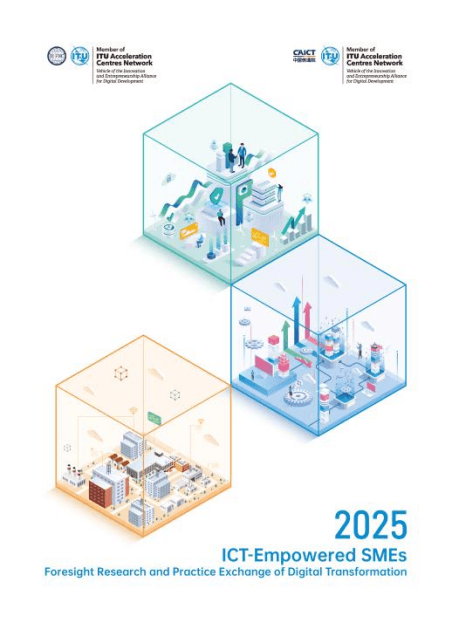
The ITU Regional Acceleration Center released its first foresight report to support the digital transformation of SMEs worldwide

A delegation from the BRICS Institute of Future Networks China Branch (BIFNC) traveled to Baku, Azerbaijan, to attend the ITU World Telecommunication Development Conference (WTDC-25). During the conference, BIFNC, as the hosting institution of an ITU acceleration center, engaged in in-depth exchanges with members of acceleration centers around the world and successfully released "Empowering Small and Medium-Sized Enterprises to Harness the ICT Wave: A Foresight Report and Practice Exchange on ICT-Enabled SME Digital Transformation" (the "Foresight Report"). This report is the first major knowledge product led by a member institution since the launch of the ITU Acceleration Center Network, marking substantial progress in collaborative innovation and knowledge sharing across the network.

The ITU Regional Acceleration Center released its first foresight report

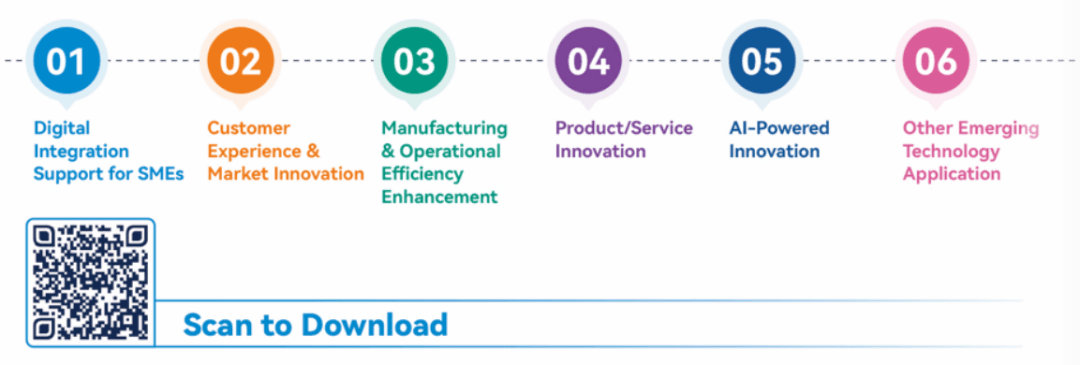
The Foresight Report was jointly authored by the BIFNC Regional Acceleration Center and the CAICT Global Acceleration Center. The report systematically applies the ITU strategic foresight methodology, carrying out a comprehensive scan across seven STEEPLE dimensions: social, technological, economic, environmental, political, legal, and ethical. It identifies the opportunities and challenges facing SME digital transformation, further pinpoints ten key drivers, outlines an ideal future scenario centered on an "inclusive digital era," and innovatively proposes a five-stage dynamic roadmap for moving from current barriers toward an inclusive future. This offers a clear strategic guide and action framework for policymakers, industry leaders, and SMEs worldwide. To support practical exchange, the report also includes 19 ICT-enabled solutions for SME digital transformation across six major fields.

Highlights from the foresight report

The release of this major report received high praise and a strong response within the Acceleration Center Network. Representatives of member institutions commended the report for its forward-looking vision, systematic structure, and practical value, noting that it provides essential tools and ideas for supporting SMEs in joining and benefiting from the digital economy worldwide.

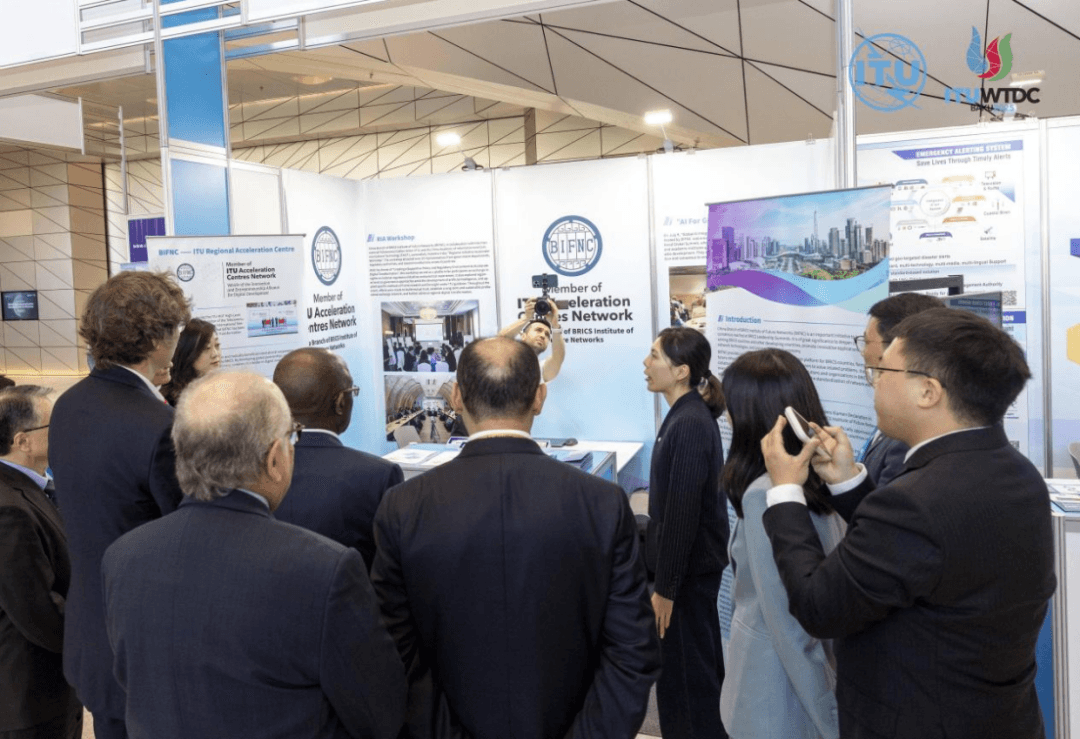
Senior ITU officials visited the BIFNC exhibition area during the conference.

Senior ITU officials visited the BIFNC exhibition area

During the exchanges, the BIFNC delegation clearly expressed its willingness to deepen cooperation. It stated that, building on the successful collaboration behind this report, it hopes to carry out broader and more practical cooperation with more acceleration center partners around the world in areas such as joint research reports, co-hosted international conferences, cross-border industrial resource matching, and SME digital transformation practices, jointly building a vibrant, mutually beneficial global digital innovation ecosystem.

The release of achievements and the exchanges conducted during WTDC-25 not only demonstrated the active contribution of the BIFNC Acceleration Center in knowledge production and international cooperation, but also set a model for the network's future collaborative development, signaling that global digital development cooperation is entering a deeper and more practical new stage.